Source Portable Car Electric Air Pump for Tires, Bikes, and Balls
Find and compare 30 portable car electric air pump options for industrial and automotive use. Evaluate specifications like 12VDC power, 150psi max pressure, and CE/RoHS certifications to select the right inflator for tires, bikes, and sports equipment; compare the available evidence and request quotations based on your requirements.
Key considerations
Products List


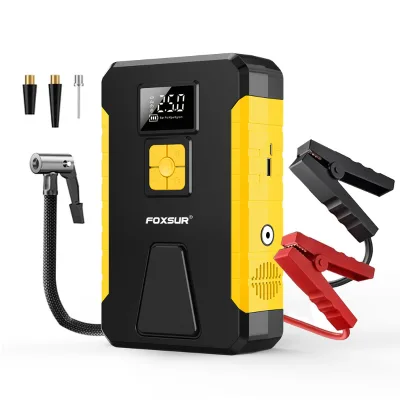


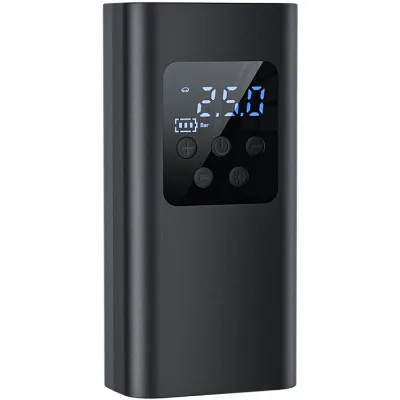


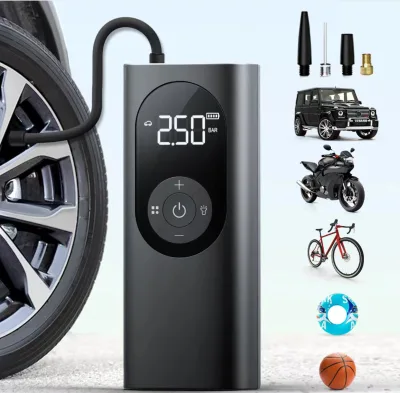


Comprehensive Sourcing Guide
Portable Car Electric Air Pump Sourcing Guide
Procurement teams must first distinguish between general industrial digital pressure gauges and specialized portable inflation units when searching for this core keyword. The observed market data reveals a mix of products, including digital display units with direct mounting structures and specific car air pumps designed for vehicle maintenance. Buyers should verify that the product listing explicitly matches the intended application, as some items listed under similar keywords are actually general pressure gauges or industrial components rather than portable inflators.
The available product range demonstrates significant variation in power requirements and battery integration, with some units operating on 12VDC while others utilize lithium-ion batteries with specific nominal capacities. Sourcing strategies must account for these divergent power architectures, as a 12VDC input unit may require a different vehicle interface than a battery-operated model with a 5V input voltage. Understanding these fundamental electrical differences is critical before initiating any supplier engagement to ensure compatibility with existing fleet or workshop infrastructure.
Product Scope and Observed Listing Signals
Buyers should scrutinize the physical dimensions and packaging details provided in listings, as observed specifications range from compact 2620.58 units to larger 19.51014.5 configurations. The presence of specific packing materials like foam or color boxes often correlates with the intended end-user market, distinguishing between bulk industrial supply and retail-ready consumer goods. It is essential to confirm whether the listed dimensions refer to the device itself or the shipping carton, as this impacts logistics planning and storage requirements.
The observed color options and material compositions, such as plastic bodies or ABS construction, serve as primary indicators of durability and intended usage environment. Listings frequently highlight features like lighting capabilities or specific air flow rates, which are vital for assessing performance in low-light conditions or rapid inflation scenarios. Procurement teams must cross-reference these visual and material attributes against their specific operational needs, ensuring that the selected unit offers the necessary robustness for the expected workload.
Technical Specifications to Verify
Verification of pressure capabilities is paramount, as observed listings indicate maximum pressures ranging from 150psi to 300psi, with some units capped at 101-150Psi. Buyers must confirm the specific peak current and working current ratings, noting that observed values span from 6A to 9A, which directly influences the unit's ability to handle continuous operation without overheating. Ensuring the device can sustain the required air flow, such as 12L/Min, is necessary to meet inflation time expectations for various tire sizes.
Power consumption and runtime metrics require careful validation, with observed wattage ranging from under 80W to under 120W and continuous usage times varying between 10 and 20 minutes under load. The compatibility with specific vehicle models, including cars and motorcycles, must be explicitly confirmed rather than assumed based on general product descriptions. Additionally, the input voltage and battery type, whether lithium-ion or direct DC, must align with the power source available at the point of use to prevent operational failures.
Compliance and Safety Documentation
Safety certifications such as CE and RoHS are frequently cited in product listings, yet buyers must request valid, up-to-date documentation for each specific batch rather than relying on generic claims. The presence of these marks indicates adherence to specific regional safety and environmental standards, but verification is required to ensure the documentation matches the actual manufacturing origin and production date. Procurement teams should treat these certifications as baseline requirements that must be substantiated with official test reports before finalizing any purchase order.
Electrical safety is a critical component of compliance, particularly given the high current ratings and battery integration observed in the market. Buyers should verify that the product design includes appropriate over-current protection and thermal management systems, especially for units with peak currents reaching 800A or continuous operation times exceeding 20 minutes. Ensuring that the electrical components meet the relevant safety standards for the target market is essential to mitigate liability risks and ensure safe operation in diverse environments.
Cost Drivers and Commercial Terms
Pricing structures in this category exhibit a wide range, with observed values spanning from 1.7 to 128 USD, driven primarily by differences in battery capacity, material quality, and feature sets. The inclusion of advanced features like digital displays, integrated lighting, or higher pressure ratings significantly impacts the unit cost, requiring buyers to balance performance needs against budget constraints. Understanding the correlation between specific technical specifications and price points is essential for negotiating effective commercial terms with suppliers.
Minimum Order Quantities (MOQ) vary considerably, with observed ranges from single items to 1000 units, influencing the total cost of ownership and inventory strategy. Buyers must evaluate whether the supplier offers flexible MOQs that align with their procurement volume, as high MOQs may be necessary to secure lower unit prices but could increase storage costs. Additionally, customization services such as OEM or ODM capabilities can add value but may introduce lead time extensions and additional tooling costs that must be factored into the overall budget.
Supplier Qualification and Quality Control
Supplier location and origin play a significant role in supply chain reliability, with observed production centers in Guangdong and Zhejiang, China, indicating a concentration of manufacturing expertise in these regions. Buyers should assess the supplier's capacity to maintain consistent quality across batches, particularly given the variation in observed specifications like battery capacity and air flow rates. Establishing clear quality control protocols is essential to ensure that every unit delivered meets the agreed-upon technical standards and performance expectations.
Quality assurance processes must include rigorous testing of critical components such as the motor, battery, and pressure sensors to prevent field failures. Buyers should request evidence of in-house testing capabilities or third-party validation reports that confirm the product's ability to withstand the specified working currents and continuous usage times. Implementing a robust inspection regime, including pre-shipment checks and random sampling, is necessary to maintain product integrity and protect the buyer's brand reputation.
Long-Term Procurement Checks
Sustainability and supply chain resilience require ongoing monitoring of supplier performance and product lifecycle management to ensure long-term availability. Buyers should establish clear communication channels with suppliers to track changes in component sourcing, particularly for critical items like lithium-ion batteries and electronic displays. Proactive management of these supply chain variables helps mitigate the risk of disruptions and ensures that the procurement strategy remains adaptable to market fluctuations.
Continuous evaluation of product performance in the field is essential for identifying potential design flaws or areas for improvement in future procurement cycles. Buyers should collect feedback from end-users regarding the unit's durability, battery life, and ease of use to inform future specification requirements. Maintaining a dynamic relationship with suppliers that encourages continuous improvement and innovation will help secure a competitive advantage and ensure the long-term success of the procurement program.
FAQs
What power options are available for portable car electric air pumps?
Most models operate on 12VDC power, drawing from vehicle cigarette lighters or internal lithium-ion batteries. Some units support 5V input for versatility. This flexibility ensures reliable inflation for cars and motorcycles without requiring external power sources during travel or emergencies.
Can these air pumps be customized for specific brands?
Yes, OEM and ODM customization services are available for industrial and commercial buyers. Manufacturers offer digital display options and direct mounting structures. Buyers can request specific branding, packaging, or functional adjustments to meet unique operational requirements or private label needs.
What certifications do portable car air pumps typically hold?
Many units carry CE and RoHS certifications, ensuring compliance with international safety and environmental standards. These certifications verify that the plastic body and electronic components meet regulatory requirements for electrical safety and material restrictions, providing assurance for global distribution and industrial use.
How long can a portable air pump run continuously?
Continuous usage time varies by model, with some operating for over 20 minutes under load. Others may run for over 10 minutes depending on the battery capacity and wattage. This duration allows for inflating multiple tires or larger vehicle tires efficiently.
What is the maximum pressure these pumps can generate?
Maximum pressure ratings typically range from 150 PSI to 300 PSI, suitable for standard car and motorcycle tires. Some models specify 101-150 PSI for general use. This capacity ensures rapid inflation while maintaining safety and accuracy for various vehicle types.
Where are these portable air pumps manufactured?
These devices are primarily manufactured in China, with origins in regions like Guangdong and Zhejiang. Production facilities utilize plastic or ABS materials for durability. Buyers can source directly from these locations, benefiting from established supply chains and competitive pricing for bulk orders.